
What does AI mean for your findability?
01 September 2026Google Search is changing, and that affects your online visibility. With the rise of AI features in search engines, users increasingly receive a direct, composed answer to their question — without visiting a website first. What does this mean for your website’s findability? In this blog, you’ll read what is changing, why SEO remains relevant and what you should focus on to stay visible.
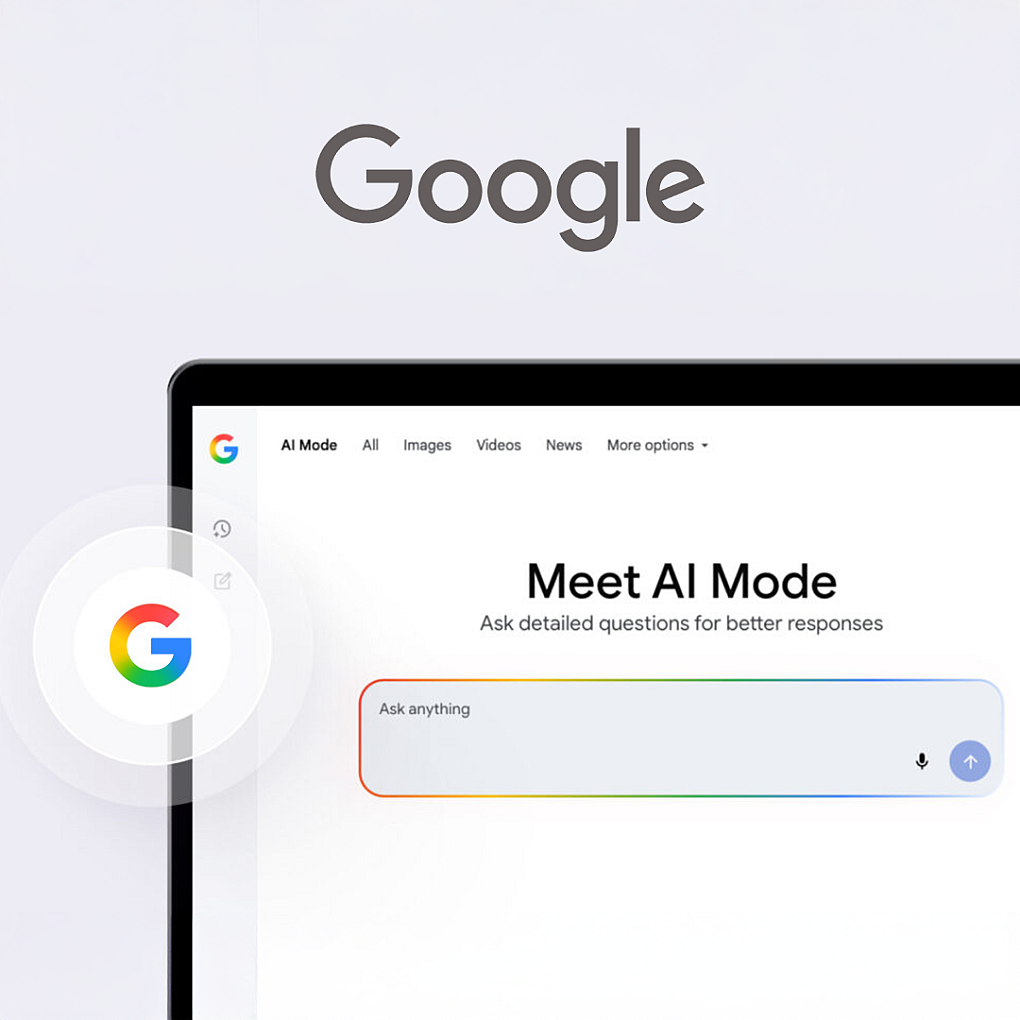
AI‑driven search
The shift toward AI‑driven search changes both how people search and how websites become visible. Fortunately, the foundation remains the same: those who offer valuable content, a clear website structure and a good user experience continue to increase their chances of visibility, visitors and conversions — even in this new search landscape.
Is SEO still relevant for generative AI search queries?
YES! SEO guidelines remain important, even now that generative AI plays a larger role in Google Search. The content that Google already considers valuable and relevant forms the basis for AI‑generated answers. Google uses several AI techniques to retrieve information from the search index, such as:
- Retrieval‑augmented generation (RAG): a method where Google first retrieves relevant and up‑to‑date information from existing web pages and then uses it to generate a more complete and reliable answer. This ensures AI answers better match what someone wants to know, while keeping the underlying sources visible.
- Query fan‑out: a method where Google not only looks at the original search query but also immediately searches related topics to compile a more complete answer. For example, for a question like “how can I work in the cloud,” Google may include information about cloud solutions, security, remote collaboration and suitable ICT companies that can help.
Do I need to adjust my SEO for AEO and GEO?
Not necessarily. Terms like AEO (“answer engine optimization”) and GEO (“generative engine optimization”) are mainly used to describe visibility in AI‑driven search experiences. In practice, it largely comes down to what you already know from SEO: ensuring your content is relevant, matches the questions of your audience and is clearly presented. You still optimize for how people search and how search engines display information.
Conclusion
All things considered, it becomes clear that AI changes online visibility — but not the essence of findability itself. Search engines continue to rely on reliable, well‑structured and relevant content; it is simply used more often as a building block for AI‑generated answers.
Whether it’s RAG, query fan‑out, AEO or GEO: those who write clearly, offer real value and address the questions behind the search query remain visible. AI does not change whether you are found, but rather why you are found.