Identity fraud: suddenly you are the scammer
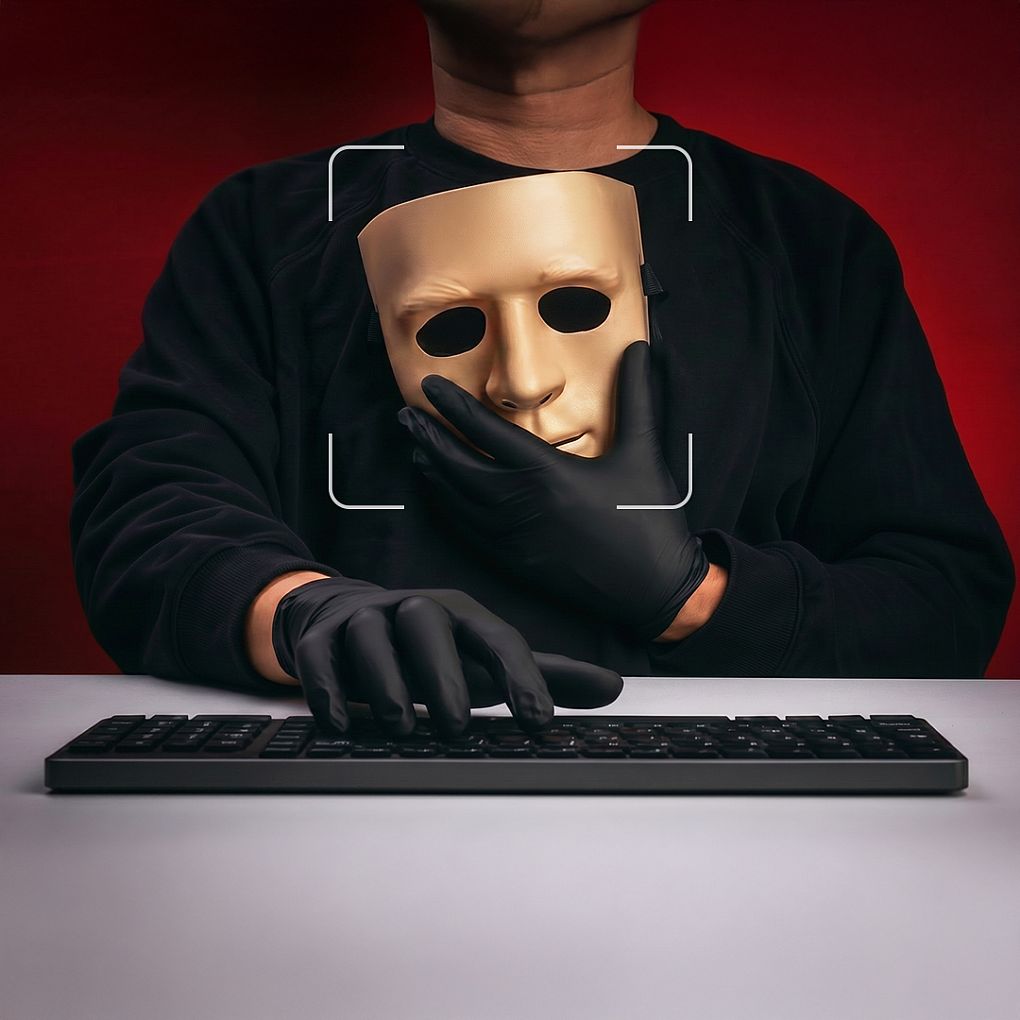
19 May 2026Someone pretends to be you, using your address, date of birth and citizen service number (BSN). Identity fraud can have major consequences. Criminals increasingly misuse personal data to take out loans or enter into contracts. As a result, you may suddenly be confronted with bailiffs, police or a lengthy legal process to clear your name. You can lose a lot of money or be wrongly labelled as a scammer or defaulter.
What should you pay attention to in order to prevent identity fraud?
- Be careful when sharing your ID
Never send a copy of your ID via email, WhatsApp or other online channels, especially when buying or selling items, applying for jobs or arranging housing. Scammers often ask for this, for example via sales platforms such as Marktplaats or fake job postings. Only provide a copy if strictly necessary and mark it with the purpose and date. - Protect your digital accounts with two-factor authentication
Hackers can break into your computer, email or social media accounts to steal personal data. By adding two-factor authentication (for example via an extra code by SMS or app), you make it much harder for criminals. Without your phone, tablet or computer, they cannot get in. - Be cautious when identifying yourself online
You increasingly need to identify yourself online, for example to open a bank account or sign up for a subscription. Be alert: a scammer often only needs a copy of your ID to impersonate you. Share your ID only with trustworthy parties and always check the website address. - Never click on links in suspicious emails
Phishing emails are a common trick to steal personal data. These emails appear to come from banks, the government or well-known companies and ask you to log in via a link. Never click such a link; always go to the official website via your browser. - Keep your personal data private
Do not share your address, date of birth or BSN number on social media or unknown websites. Criminals can use this information to impersonate you and commit fraud. - Check the reliability of companies and offers
Whether it concerns a job posting, an online advertisement or a sale on Marktplaats: always check whether the company really exists. Look for reviews, check the Chamber of Commerce number and be critical of offers that seem too good to be true. - Secure your documents
Store important documents such as your passport, driver’s licence and official papers safely, both at home and digitally. Do not simply throw away old papers, but shred them first. Make sure your computer and phone are well protected with strong passwords and up-to-date antivirus software. - Be alert to tricks and offline scams
Criminals can also approach you offline, for example at your door or by phone. Never give personal information just like that and always ask for identification if someone claims to represent an organisation.
Examples
Job websites:
Criminals post fake job vacancies and ask for a copy of your ID or payslip. Always check the company name in the job posting.
Marktplaats:
Scammers offer desirable products such as popular phones or concert and festival tickets, and ask for a copy of your ID to “verify” you. Sometimes they even send a fake “ID” of their own to gain your trust.
Housing:
When renting a home, you may be asked for a copy of your payslip or ID. If this does not go through a company but through a private individual, it is wise to meet in the actual property.
What should you do in case of identity fraud?
If you have become a victim of identity fraud, it is important to act quickly. For example, temporarily block your bank cards and credit cards to prevent criminals from misusing them. Always report the incident to the police to officially register the case. Also remember to file a report with the Central Reporting Point for Identity Fraud and Errors. They will provide tailored advice and help map new threats.